
The Perfect Finish for a Fresh Set of Wheels
Today we dive into choosing the right finish for a new vehicle, comparing wax, sealant, and ceramic coating in plain terms. You will learn how each option affects gloss, durability, protection, and maintenance, so your car’s first months set the tone for years of easier care, less stress, and confident shine in every kind of weather.
What Your Factory Paint Needs Right Now
Modern factory paint is a layered system designed to look brilliant and resist daily wear, yet it still benefits enormously from an added protective barrier. Even on delivery day, fresh cars encounter rail dust, road film, and harsh sunlight. Understanding what your clear coat handles well—and where it needs help—lets you choose a protective approach that maximizes gloss, safeguards value, and keeps washing simple without unnecessary risk or wasted effort.

Understanding Clear Coat Protection
The clear coat is a transparent, protective resin layer that delivers gloss and shields color from UV rays and minor abrasions. However, it is not invincible. Abrasives, salt, acidic contaminants, and harsh washing can etch and dull it. Adding wax, sealant, or a ceramic coating enhances chemical resistance and slickness, making dirt release faster and reducing wash-induced marring. Think of it as an insurance policy that preserves clarity while improving day-to-day ease.
Why Brand-New Still Benefits From Extra Defense
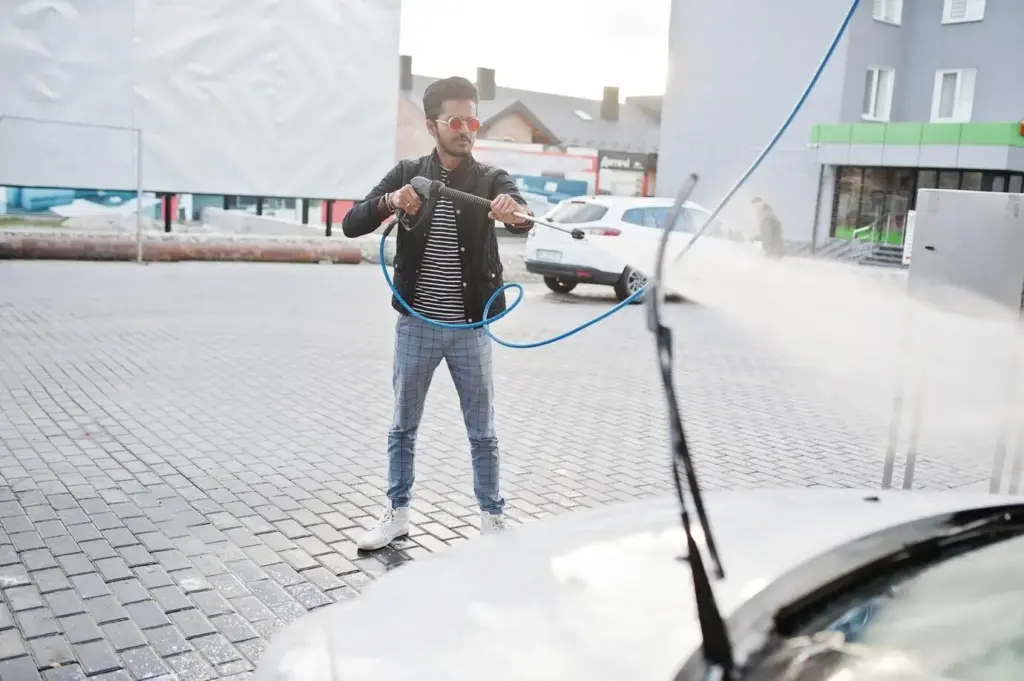
A new car might appear flawless, yet microscopic contamination, transport grime, and dealership prep marks often exist. Early protection locks in a pristine surface and prevents the first scratches from snowballing into a haze. Hydrophobic behavior also means fewer water spots and less scrubbing. With the right finish, routine washing takes less time, drying becomes safer, and that showroom glow lasts far beyond the honeymoon period, protecting both pride and long-term resale value.

Factory Bake, Body Shop Cures, and Timing Realities
Factory paint is typically oven-baked and fully cured by the time you receive the vehicle, so coatings are generally safe soon after purchase. Body shop repaints, however, may need weeks to outgas before sealing. Confirm with your painter or manufacturer guidelines. Regardless of product, surface preparation determines success: decontamination and, if necessary, a light polish remove residue and reveal true clarity. Great timing pairs with great prep to ensure reliable bonding and outstanding results.
Wax vs. Sealant vs. Ceramic: How They Truly Differ
These finishes vary in chemistry, longevity, gloss character, and chemical resistance. Traditional waxes offer warm glow and easy application, polymer or SiO2 sealants extend durability and slickness, and true ceramic coatings deliver hardened, crosslinked layers that last far longer. Your choice balances budget, maintenance appetite, exposure, and expectations. Understanding differences helps avoid disappointment, unnecessary expense, and mismatched care routines that undercut performance or leave you reapplying more often than you’d like.
Quality carnauba and modern hybrids deliver a rich, warm gloss that flatters darker colors beautifully. They apply quickly, smell pleasant, and wipe off easily, making them ideal for frequent refreshes or weekend therapy. Durability averages weeks to a few months, especially in harsh climates. Many enthusiasts love layering wax after a mild polish to deepen reflections. If you enjoy regular hands-on care and want forgiving products, wax provides satisfying results with minimal risk and cost.
Sealants use synthetic polymers, often blended with SiO2, to achieve stronger bonding and longer life than traditional wax. Expect slick surfaces, sharp reflections, and durability measured in months rather than weeks. They resist detergents better and can be boosted with compatible sprays after washes. For daily drivers, this balance of resilience and user-friendly application makes sealants a smart middle ground, offering predictable maintenance intervals without the commitment or prep intensity required by true ceramic coatings.
Ceramic coatings form a dense, crosslinked network—commonly SiO2 or SiC—that enhances chemical resistance, UV protection, and durability measured in years, not months. They demand meticulous preparation and controlled application conditions, and high spots must be leveled carefully. Maintenance washes remain crucial, and using compatible shampoos and toppers preserves performance. When done properly, coatings deliver outstanding hydrophobics, easier cleaning, and slower wear, making them excellent for harsh environments, high-mileage commutes, and owners seeking long-term convenience.
Match Your Choice to Climate, Lifestyle, and Budget
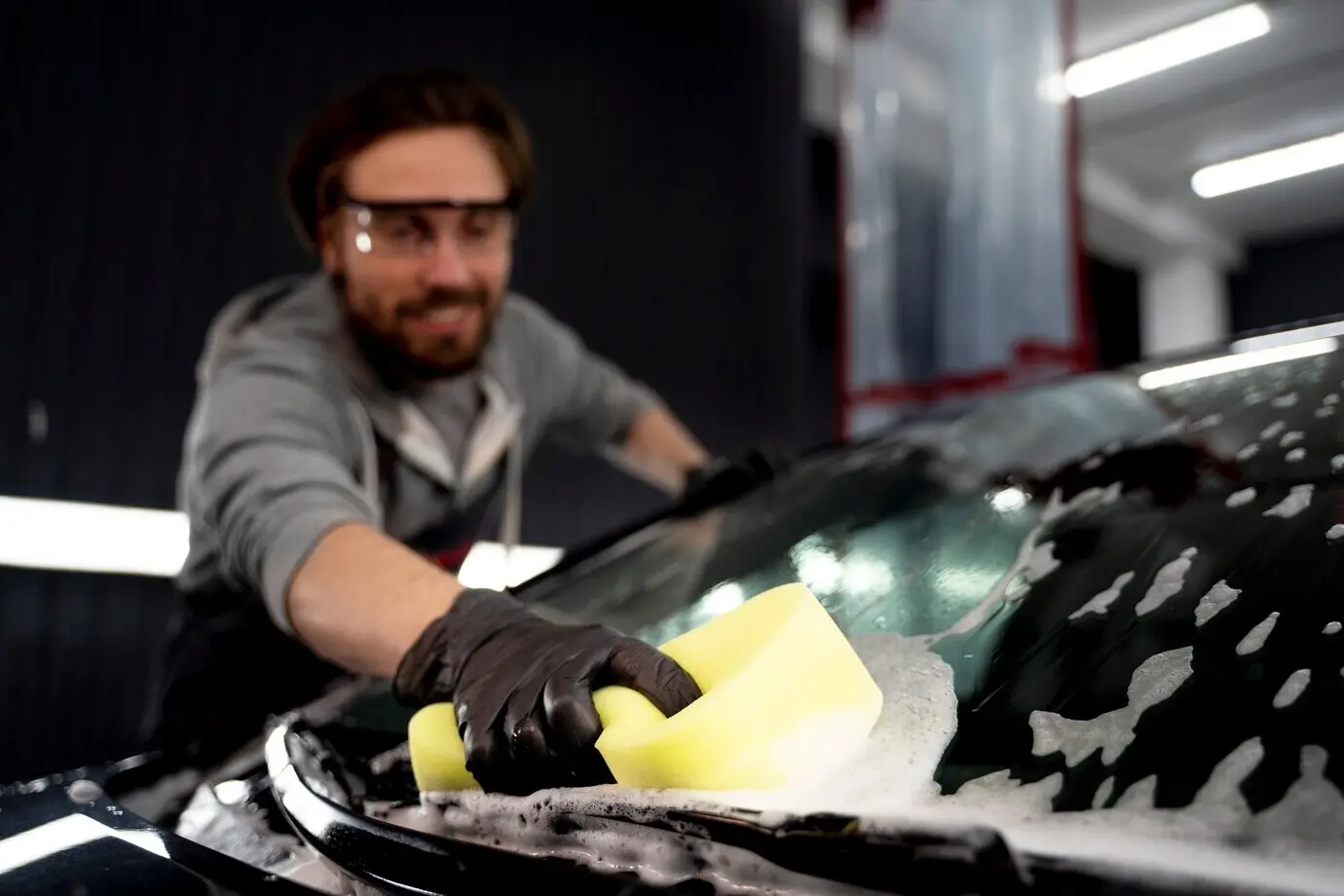
The right finish reflects where and how you drive, park, and wash. Urban street parking invites fallout and bird strikes; coastal life means salt and mist; snow belts add brine and grime. Time available for maintenance and your budget for detailing products or professional help decide what is realistic. Prioritize convenience if you’re busy, or indulge in frequent touch-ups if you enjoy the ritual. Aligning expectations prevents disappointment and ensures you actually maintain the protection you select.
Parking, Weather, and Environmental Fallout
Outdoor parking under trees, near construction, or by the ocean intensifies contamination and chemical exposure. Frequent storms and hard water create spotting challenges that benefit from stronger protection and quicker drying. If garage access is limited, lean toward longer-lasting solutions that resist harsh shampoos and road film. Conversely, mild climates and covered parking make wax or a light sealant viable. Let your actual environment drive your decision, not just marketing promises or one-time showroom impressions.
Wash Frequency and Maintenance Time
If you wash weekly with proper tools, shorter-lived options like wax may fit perfectly, offering satisfying refreshes and control. Wash monthly or less, or visit touchless services? A robust sealant or coating will maintain performance between intervals. Consider drying time, booster application, and seasonal deep-cleaning. Choose a solution you will realistically uphold. The best protection fails if neglected, while a modest product shines when maintained consistently with gentle techniques and thoughtful, routine care.
Total Cost Over a Year, Not Just Today
Ceramic coatings often cost more upfront but reduce frequent reapplication and can save time long-term. Wax and sealant cost less initially yet may require multiple sessions and additional products across seasons. Factor wash supplies, toppers, and potential professional labor for paint correction. When compared annually, the value picture often changes. Calculate honestly: maintenance hours, product cycles, and your willingness to do the work. The optimal choice is the one you will sustain without resentment.
Preparation and Application, Step by Step
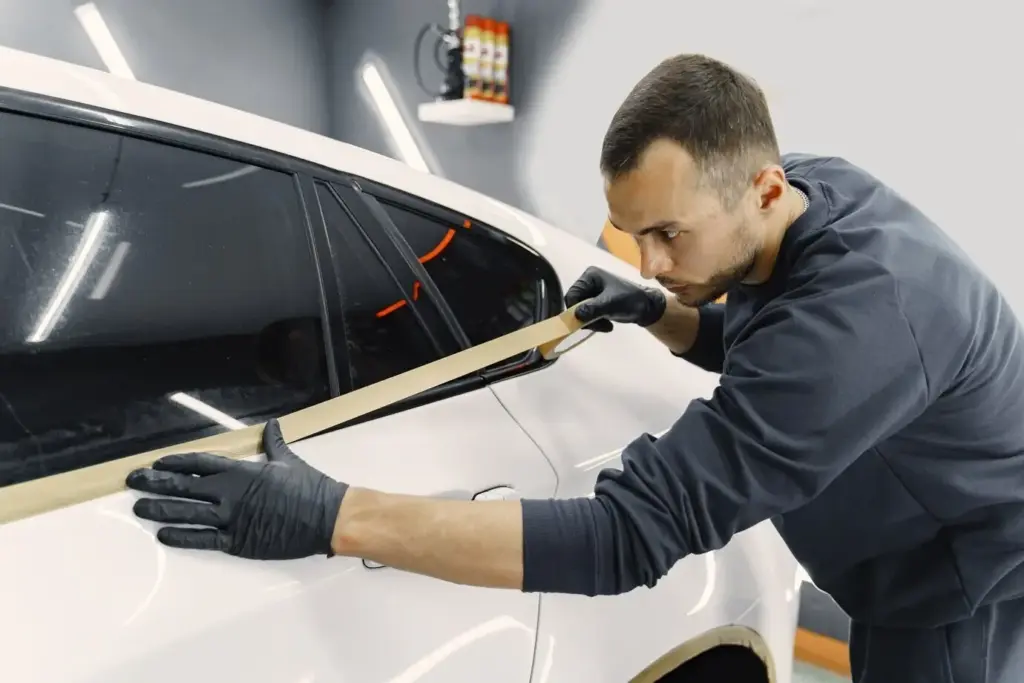
Great results start with a surgically clean surface and smart, patient technique. Decontamination removes iron particles and bonded grime; a gentle clay step and optional polish reveal clarity. After an alcohol wipe, product-specific application follows: thin, even layers for wax or sealant, and methodical, small-section work for coatings. Good lighting exposes streaks or high spots, while humidity and temperature control improve outcomes. Careful prep turns any product into a dependable, beautiful finish.
Care After Application: Keep Performance High
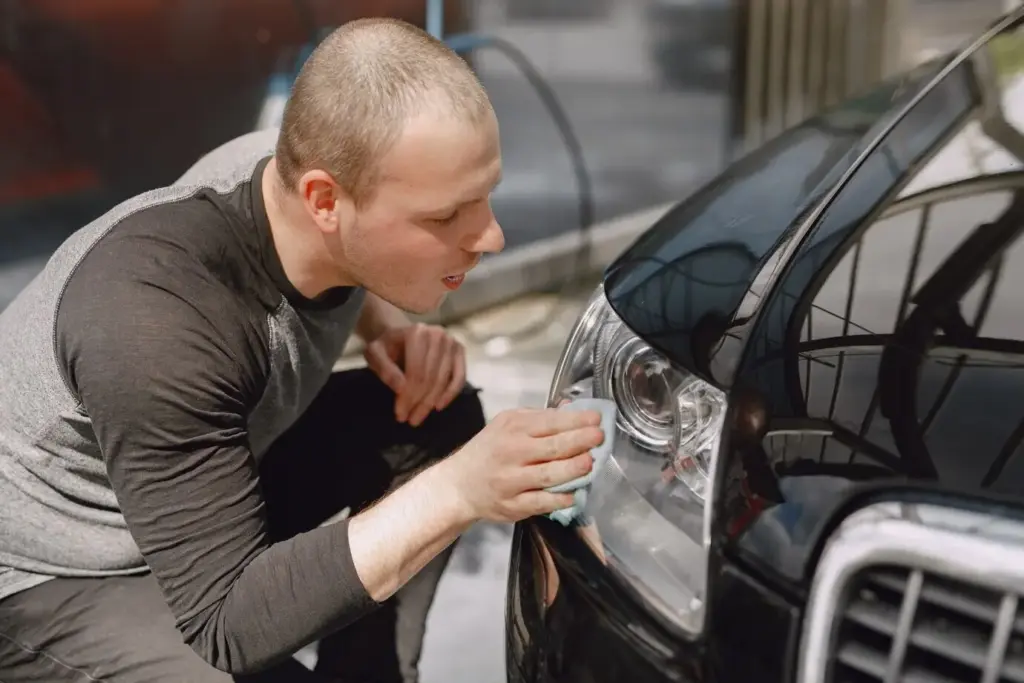
Protection is not a set-it-and-forget-it process. Gentle washing preserves slickness and clarity, while compatible toppers renew hydrophobics and gloss. Avoid harsh brushes and aggressive chemicals that strip or degrade performance. Periodic decontamination keeps the surface from feeling rough and losing beading. Tracking water behavior helps you gauge when to refresh. With a simple routine and the right supplies, your chosen finish will continue protecting, shining, and saving time through seasons and road trips.



Stories, Lessons, and Smart Experiments
Real experiences bring clarity to technical choices. Testing small areas, comparing water behavior, and tracking durability over months transforms guesswork into confidence. Hear how different drivers navigated salt, sun, and schedules, and see which strategies held up. Try a safe panel test before committing. Your observations, questions, and photos can help other owners pick wisely, and your feedback will shape future guides that address the exact challenges you face out on the road.
All Rights Reserved.